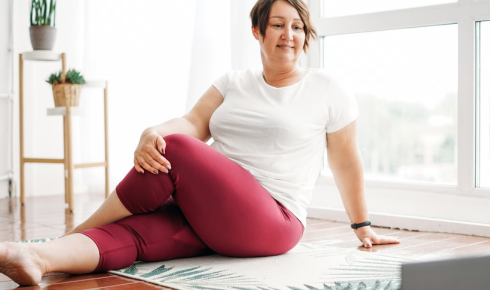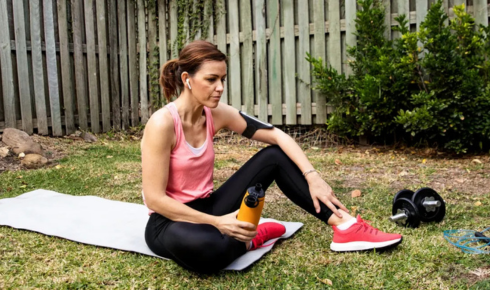
Many beginners get out of breath quickly, not just because of poor fitness, but also because they simply hold their breath or breathe very shallow while moving.
During cardio like walking or jogging, try rhythmic breathing. For example, inhale for two steps, exhale for two or three steps. You don’t have to count perfectly, but having a pattern prevents panicky gasping. Keep breaths deeper from the diaphragm (belly slightly expanding) instead of only chest rising.
In strength training, a common rule is: exhale on effort. When you push, pull, lift or stand up from a squat, breathe out. When you return to the starting position, breathe in. Holding your breath under strain spikes blood pressure and can make you dizzy, especially if you’re new.
Slow down your pace if you can’t say a short sentence while doing cardio—that means you’ve crossed into too-intense-for-now territory. Build up gradually.
Posture affects breathing too. Hunched shoulders and collapsed chest give your lungs less space. Keeping your chest open and shoulders relaxed helps air flow better.
Over time, as your heart and lungs adapt, and your breathing becomes more coordinated with movement, you’ll notice you can go longer before feeling winded. It’s practice, not magic.