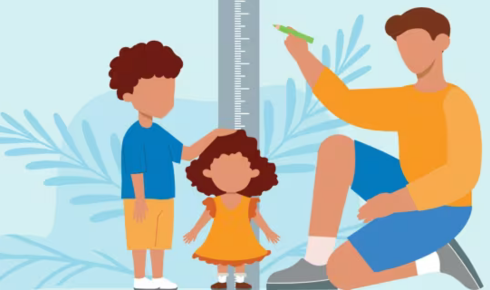
For many parents, one of the first signs that something may be wrong is when their child stops keeping up with classmates in height. While being shorter than average isn’t always a cause for concern, consistently slow growth or falling behind on the growth chart should never be ignored. In some cases, it may indicate an underlying medical condition that affects normal development.
One treatment that has helped many children with diagnosed growth disorders is human growth hormone (HGH) therapy. When prescribed appropriately, HGH can improve growth velocity, support healthy development, and help children achieve a height closer to what their genetics intended.
But how do you know if HGH is right for your child? Let’s explore how growth hormone therapy works and when it may be recommended.
Growth Is About More Than Genetics
Many people believe that height is determined entirely by the height of a child’s parents. While genetics certainly plays a major role, it is only one piece of the puzzle.
A child’s final height is also influenced by:
- Growth hormone production
- Nutrition
- Thyroid function
- Sleep quality
- Chronic health conditions
- Puberty timing
- Bone health
- Overall endocrine function
If any of these factors are disrupted, normal growth may slow—even if the child has the genetic potential to become much taller.
What Is HGH Therapy?
Human growth hormone is naturally produced by the pituitary gland and is responsible for stimulating growth throughout childhood and adolescence.
When growth hormone is released, it signals the liver to produce insulin-like growth factor-1 (IGF-1), which promotes bone growth while the growth plates remain open.
Children who produce insufficient growth hormone or have certain medical conditions may not receive these normal growth signals.
HGH therapy replaces or supplements this hormone, helping eligible children grow at a healthier rate.
Which Children May Be Candidates?
Growth hormone therapy is designed for children with diagnosed medical conditions that affect growth—not simply for children who would like to be taller.
Conditions that may qualify include:
- Growth hormone deficiency
- Idiopathic short stature
- Turner syndrome
- SHOX gene deficiency
- Prader-Willi syndrome
- Noonan syndrome
- Children born small for gestational age without adequate catch-up growth
- Chronic kidney disease affecting growth
Every child requires a complete medical evaluation before treatment is considered.
Signs Your Child May Need a Growth Evaluation
Parents know their children better than anyone else. If something doesn’t seem right, it’s worth discussing with your pediatrician.
Some signs that deserve further evaluation include:
- Growing less than expected each year
- Height falling across multiple percentiles
- Noticeably slower growth than classmates
- Delayed puberty
- Delayed bone age
- Family concern that growth has nearly stopped
The sooner growth concerns are investigated, the greater the opportunity to identify treatable conditions.
Why Growth Velocity Is So Important
Height alone doesn’t tell the whole story.
Physicians often pay more attention to growth velocity—the number of inches a child grows each year.
A child who consistently grows 2 to 2.5 inches annually may be developing normally, even if they are shorter than average.
However, a child who previously grew well but now grows less than an inch per year may require further evaluation.
Tracking growth over time is one of the most valuable tools in pediatric endocrinology.
How Is HGH Therapy Started?
Before prescribing growth hormone, physicians first determine why growth has slowed.
This evaluation may include:
- Review of growth records
- Family height history
- Physical examination
- Bone age X-ray
- Blood work
- Hormone testing
- Additional diagnostic studies when appropriate
Only after identifying an underlying cause can an individualized treatment plan be developed.
What Happens During Treatment?
Growth hormone therapy is usually administered through a once-daily injection beneath the skin.
Children continue seeing their healthcare provider regularly to monitor:
- Height progression
- Growth velocity
- Weight
- IGF-1 levels
- Bone age
- Puberty
- Overall health
Medication doses are adjusted throughout treatment based on each child’s progress and changing needs.
Setting Realistic Expectations
Parents often hope HGH will dramatically increase height, but treatment outcomes vary considerably.
Results depend on:
- Age when treatment begins
- Diagnosis
- Genetics
- Bone age
- Remaining growth potential
- Consistency with treatment
Rather than creating “extra” height, HGH helps many children recover growth that may have been lost because of an underlying medical condition.
The earlier treatment begins, the greater the opportunity to benefit before growth plates close.
Benefits Beyond Height
Although height is the primary reason many families seek evaluation, improving growth can have additional benefits.
For some children, successful treatment may contribute to:
- Improved confidence
- Better participation in sports and activities
- Enhanced physical development
- Healthier bone growth
- Greater emotional well-being related to normal development
Every child’s experience is different, which is why treatment goals should be individualized.
Parents considering HGH should also understand the advantages, limitations, and potential drawbacks of therapy. A detailed discussion is available in Pediatric Height Therapy: Pros and Cons – What Parents Should Know Before Considering Treatment:
Understanding the Long-Term Investment
Growth hormone therapy is often continued for several years, making it important to understand the financial commitment before treatment begins.
Costs vary depending on:
- Child’s age and weight
- Medication dosage
- Insurance coverage
- Treatment duration
- Follow-up care
Families can learn more about annual expenses and long-term budgeting by reading Long-Term Cost of Growth Hormone Treatments in Kids:
Learn More About HGH for Children
If you’re looking for a complete overview of pediatric growth hormone therapy—including how children are evaluated, who may qualify, and what to expect during treatment—visit:
HGH for Children to Grow Taller
This guide provides parents with a comprehensive understanding of childhood growth disorders and the role HGH may play in helping eligible children achieve healthier growth.
Final Thoughts
HGH therapy has become one of the most effective treatments available for children with medically diagnosed growth disorders. When used appropriately, it can improve growth velocity, support healthy development, and help children reach a height closer to their natural genetic potential.
If your child has experienced slowed growth, declining height percentiles, or delayed physical development, don’t wait to seek answers. A comprehensive evaluation by a pediatric growth specialist can identify the cause of poor growth and determine whether HGH therapy—or another treatment approach—is the right solution. Early diagnosis remains one of the most important factors in helping children maximize their growth potential.