There was a time when the word “surgery” carried a certain weight. It meant long hospital stays, visible scars, weeks—sometimes months—of recovery. Even the thought of it could make people pause, delay decisions, or avoid treatment altogether.
But something has shifted over the years. Not suddenly, not dramatically—but steadily. Surgery hasn’t disappeared, of course. It’s just… changed. And the experience around it feels different now.
If you talk to patients today, you’ll hear less fear in their voices and more curiosity. Questions about recovery time, about techniques, about what’s possible. It’s no longer just if surgery is needed, but how it will be done.
When Smaller Really Does Mean Better
One of the biggest changes in modern healthcare has been the move toward minimally invasive surgery. It’s a phrase that gets used a lot, but its impact is very real.
Instead of large incisions, surgeons now use smaller entry points, often with the help of cameras and specialized tools. The goal isn’t just precision—it’s gentleness. Less disruption to the body, less trauma overall.
For patients, that translates into shorter hospital stays, faster recovery, and often less pain. It doesn’t make surgery effortless, but it makes it more manageable.
I’ve spoken to people who were back on their feet far sooner than they expected. Not because they rushed it, but because the procedure itself allowed for it.
And that changes how people approach treatment. It removes some of the hesitation.
The Role of Technology in the Operating Room
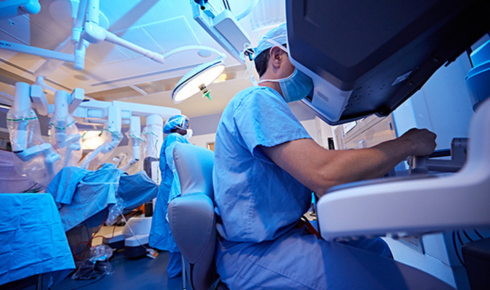
Another shift, one that feels almost futuristic at first, is the rise of robotic surgical care. Now, this doesn’t mean robots are operating independently—it’s not science fiction.
Instead, surgeons use robotic systems as highly advanced tools. These systems allow for greater precision, improved control, and the ability to perform complex procedures with more accuracy than traditional methods alone.
The surgeon is still in charge, guiding every movement. The technology simply enhances their capabilities.
For patients, the benefits can be subtle but important. Smaller incisions, reduced blood loss, and often a smoother recovery process. It’s not about replacing human skill—it’s about supporting it.
Not All Surgeries Look the Same Anymore
It’s easy to assume that all surgical procedures follow the same path. But the reality is far more varied.
Today’s general surgery procedures cover a wide range of treatments, from routine operations to more complex interventions. And the approach to each one can differ based on the patient, the condition, and the available technology.
Some procedures that once required extended hospital stays can now be done on an outpatient basis. Others have been refined to reduce recovery time significantly.
What’s important is that there’s more flexibility now. More options. More ways to tailor the experience to the individual.
The Human Side of Surgical Care
For all the advancements in technology and technique, one thing hasn’t changed—the human element.
Surgery is still a deeply personal experience. It involves trust, communication, and a certain level of vulnerability. And no amount of innovation can replace that.
What has changed, though, is how that experience is supported.
Patients are more informed. They ask questions, explore options, and take an active role in their care. And healthcare providers, in turn, are adapting to meet those expectations.
It’s less about a one-size-fits-all approach and more about collaboration.
Recovery Isn’t What It Used to Be
If you ask someone who had surgery twenty years ago about recovery, their answer might sound very different from what you’d hear today.
Recovery is still a process—it’s not instant. But it’s often shorter, more predictable, and better supported.
Pain management has improved. Rehabilitation plans are more structured. And in many cases, patients can return to their normal routines sooner than they expected.
It’s not just about healing—it’s about getting back to life.
The Importance of Choosing the Right Approach
With more options available, choosing the right surgical approach becomes even more important.
It’s not just about the procedure itself, but how it’s performed. The experience of the surgical team, the technology they use, and the level of care they provide all play a role.
And while it can feel overwhelming at first, taking the time to understand these factors can make a big difference.
Ask questions. Seek clarity. Make sure you feel comfortable with the plan.
Because at the end of the day, this is about your health—and your experience.
A Shift in Perspective
What I find most interesting about all of this is how it changes the way people think about surgery.
It’s no longer something to be feared in the same way. It’s still serious, of course, but it’s also more approachable. More manageable.
And that shift in perspective matters.
Because when people feel less intimidated, they’re more likely to seek the care they need—when they need it.
Final Thoughts
Surgery hasn’t become easy, and it probably never will be. But it has become more thoughtful. More refined. More patient-focused.
And that’s something worth recognizing.
The combination of advanced techniques, supportive care, and a more informed patient experience is quietly transforming what surgery looks like today.
Not in a loud, dramatic way—but in a steady, meaningful one.
And for anyone facing that journey, that kind of progress can make all the difference.